01 / DRESSING & DYE TRANSFER

Dress Safely from the Start

Most styling problems are easier to prevent than repair. A few checks before dressing—and gentler handling while dressing—protect both the surface and the finish.

Manufacturer guidance comes first

TPE and silicone formulas vary. Use this page as general styling-care guidance and always follow the instructions supplied by your doll manufacturer.

Before You Dress

  1. Confirm the material. Know whether the doll is TPE, silicone, or another material and read its care instructions.
  2. Inspect the item. Check for strong dye, rough seams, sharp fasteners, exposed wire, and tight elastic.
  3. Check cleaning instructions. Wash new garments only if their care labels permit it. Let them dry completely before dressing.
  4. Test when unsure. Test higher-risk fabrics on a material sample or an inconspicuous area approved by the manufacturer.

Dress and Undress Gently

  • Support limbs near the joint and open fasteners fully before moving clothing over the body.
  • Cover hook-and-loop tape, zip teeth, and metal edges while dressing.
  • Keep exposed wire and sharp clasps away from the surface.
  • Avoid force around fingers, toes, and tight joints.
  • Avoid leaving tight straps, waistbands, garters, or shoe edges in place for long periods.
  • After styling, inspect the neck, shoulders, waist, wrists, thighs, ankles, and feet.

Step-by-Step Dressing

Prepare Before Dressing

Support the doll on a stable, padded surface. Open buttons, zippers, ties, and cuffs. Remove jewellery and move hair away from the clothing. Support limbs when moving them. Do not pull on fingers or toes, or force joints beyond the model’s permitted range.

Cover the Fingers with a Loose Bag

  1. Loosely cover the hand with a clean, soft, unprinted plastic bag. Do not tie it at the wrist.
  2. Support the forearm and guide the sleeve opening over the covered hand.
  3. Once the hand comes out of the cuff, remove the bag.
  4. Ease the rest of the sleeve along the arm.

The bag helps keep fingers and decorative nails from catching inside the sleeve.

Use Smooth Plastic Wrap Where Fabric Sticks

If clothing sticks or drags along the arms or thighs, loosely cover those areas with smooth plastic wrap. Its smooth surface can help the clothing slide on more easily.

Leave an edge accessible and remove all wrap after dressing. Do not wrap tightly. Check that the bag or wrap is suitable for your doll’s surface before use.

These are temporary dressing aids, not stain barriers. They cannot make undersized clothing fit. If wrap gets trapped, move the clothing back slightly to release it. Do not cut it close to the doll.

Put On Long Sleeves

For a shirt or jacket that opens at the front:

  1. Open the garment and its cuffs.
  2. Gather one sleeve towards the cuff so the opening is close to your hands.
  3. Guide the cuff over the supported hand.
  4. Ease the fabric along the forearm, elbow, and upper arm.
  5. Leave the first side loose while you dress the other arm.
  6. Settle the shoulders and back, then close the garment.

For pullovers, check the neckline and permitted arm movement first. Remove a head or hand only if the model is designed for it and you know the correct procedure.

Put On Stockings & Tights

  1. Remove rings and bracelets from your hands and check your nails for rough edges.
  2. Gather the stocking down to its toe pocket.
  3. Place it over the toes, then ease the fabric around the heel.
  4. Release the fabric a little at a time up the leg, smoothing folds as you go.
  5. For tights, alternate between both legs. Arrange the hips and crotch before settling the waistband.

Do not pull the whole garment up by its top edge. If it will not reach, check for bunched fabric and confirm the size.

If Something Gets Stuck

Stop. Move the fabric back slightly and look for a caught finger, toe, seam, or twisted lining. Do not pull harder or use a zipper to force tight edges together.

After dressing, check the underarms, waist, crotch, and fastenings for trapped fabric or pressure.

DARK FABRICS NEED EXTRA CARE

Prevent Dye Transfer

Black, red, navy, denim, prints, dark lining, elastic, wig caps, and faux leather can transfer color. TPE is often more vulnerable, but silicone can also stain.

Prepare

If the care label permits washing, wash new garments off the doll and dry them fully. Washing does not prove a garment is stain-free.

Create a Barrier

Use a light-colored liner or compatible bodystocking where the manufacturer permits it. It may reduce direct contact but does not guarantee stain protection. Check that the added layer does not make clothing too tight.

Limit Contact

Check contact points often and avoid leaving untested dark items on the doll for extended periods.

If color transfer appears

Remove the item promptly and follow the doll manufacturer’s instructions. Do not improvise with bleach, acetone, alcohol, abrasive sponges, strong solvents, or heat.

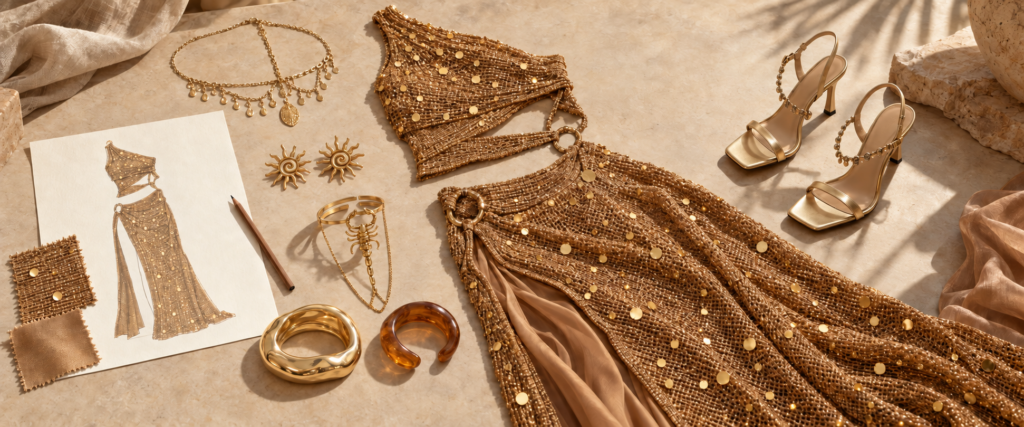
02 / WIGS, SHOES & ACCESSORIES

Protect Every Contact Surface

Wigs and accessories can create pressure, friction, scratches, or dye transfer. Treat anything touching the doll as part of the care routine.

Wigs & Hairpieces

Check the cap, combs and clips for rough edges or pressure against the doll. Dark caps may transfer colour.

Keep Hair Out of the Way

Before changing clothes, remove the wig where practical or move the hair away from collars, zippers, and jewellery.

Comb Towards the Tips

For wigs suitable for combing:

  1. Support a small section of hair with one hand.
  2. Gently comb the last few centimetres down towards the tips.
  3. Once the ends are clear, start a little higher and comb down again.
  4. Repeat until the section is smooth.

Loosen knots with your fingers rather than pulling through them. Follow the wig’s instructions for curly styles to avoid brushing out their shape.

Check a Slipping Wig Before Tightening It

Make sure the cap is centred and seated correctly. Check whether it is too loose, too shallow, or riding up at the back. Tighter straps cannot correct every fit problem. Do not force combs or hooks against the doll’s surface.

Check Before Using Heat or Washing

Use heat only when the exact wig has confirmed heat instructions. Follow its fibre-specific cleaning directions and use care products intended for that wig.

Store without crushing the hairstyle or stretching the cap. Never lift the doll by its wig.

Shoes, Jewellery & Accessories

Shoes

Compare foot length and width with the shoe measurements. Stockings may change the fit.

Open straps and fastenings before fitting. Do not force the foot into a narrow opening or bend the ankle beyond its permitted range. High heels do not make a doll stable; use support appropriate to your doll’s design.

Put Jewellery On Last and Take It Off First

Finish dressing and arranging the wig before adding jewellery. Remove it before changing clothes, combing hair, or cleaning the doll.

Keep Sprays & Chemicals Away

Do not spray perfume, hairspray, alcohol, disinfectant, or detergent onto jewellery. These may damage plating, paint, glued decorations, or some stones. Remove jewellery from the doll before cleaning it.

Open Clasps Instead of Pulling

Open necklace and bracelet clasps before fitting or removing them. Do not tug on chains or force a closed bangle over the hand.

If an earring gets stuck, check the backing and fastening first. Do not pull the ear or enlarge the hole.

Check Contact Points

Check earring posts, clasps, and pendant backs for sharp edges. Make sure chains and straps are not tight.

Check again after posing. A pendant may become trapped beneath the body, a chain may move into a joint crease, or an earring may catch in the wig. Remove or reposition anything that pulls or presses against the surface.

Wipe Gently

Use a clean, soft, lint-free cloth to remove dust and fingerprints. Replace the cloth if it contains grit.

If the material is unknown, avoid soaking or using toothpaste, alcohol, silver cleaner, or an ultrasonic cleaner. Follow the item’s cleaning instructions.

Store Pieces Separately

Keep necklaces separate to prevent tangling. Store earrings with their matching backings. Use individual pouches or compartments to prevent scratches.

Let cleaned pieces dry before storing. Keep jewellery separate from wigs. Count magnetic components after use and store them securely away from children and pets.

Remove Before Long-Term Storage

Remove tight clips, rings, chains, and hard pendants before storing the doll. Check contact areas for marks, colour transfer, or scratches.

Check bags, belts and props for rough edges, tight straps and colour transfer too.

03 / AFTER STYLING & STORAGE

Finish the Look with a Care Check

A styling session is not finished when the photos are done. Removing the outfit, checking contact areas, and storing each piece correctly helps prevent small issues from becoming permanent ones.

After Each Styling Session

  • Remove the outfit when practical and inspect high-contact areas.
  • Use a clean, soft cloth for loose dust.
  • Use only cleaning methods and products approved by the doll manufacturer.
  • Let the doll dry completely before redressing or covering.

Between Looks

The doll: remove dark or tight clothing and use a neutral, supported position according to manufacturer guidance.

The environment: avoid direct sunlight, excessive heat, damp conditions, sharp objects, pets, and prolonged contact with unknown plastics or dyed materials.

The wardrobe: store garments clean and dry, wigs separately, and jewellery closed or wrapped so sharp parts cannot catch.

If you find a problem

If you notice staining, tearing, tackiness, a surface change, or joint damage, stop experimenting. Photograph the issue and contact the seller or manufacturer for material-specific treatment or repair guidance.

04 / QUICK CARE CHECKLIST

Before and After Every Look

Use this as a fast final check when you style, photograph, redress, or store your doll.

Before

  • Material confirmed
  • Care label checked; clothing completely dry
  • Dark fabric tested when needed
  • Sharp edges and tight elastic checked
  • Dressing aids compatible with the doll’s surface

After

  • Outfit removed where practical
  • All dressing bags and plastic wrap removed
  • Contact areas inspected
  • Doll and garments fully dry
  • Wig and accessories stored separately
  • Any issue photographed

NEED HELP?

Unsure About an Item?

Send the product link or photos together with your doll’s brand, material, body model, and measurements. For material-specific treatment or repair, consult the doll manufacturer first.

Ask Your Doll Stylist